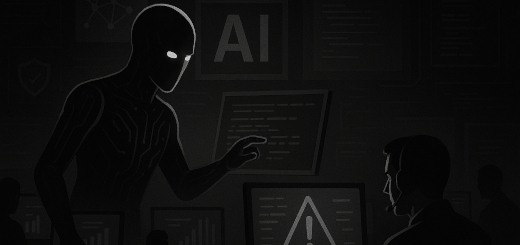
Cybersecurity in Healthcare and Pharma

The healthcare and pharmaceutical industries are in the midst of a profound digital transformation. From AI-assisted diagnostics to data-driven clinical trials and automated manufacturing, technology is reshaping how care is delivered and how medicines are developed. Yet, as innovation accelerates, so does exposure to cyber risk. What was once a primarily operational concern has evolved into a critical issue of safety, trust, and resilience, making cybersecurity in healthcare and pharma a key focus area.
A Sector Under Pressure
Healthcare and pharmaceutical organizations sit at the intersection of sensitive data and mission-critical operations. Patient records, clinical trial data, and proprietary research represent some of the most valuable digital assets today. This makes the sector an attractive target for cybercriminals.
At the same time, the technological landscape is increasingly complex. Legacy systems coexist with modern cloud platforms, Internet of Medical Things (IoMT) devices, and extensive third-party ecosystems. This hybrid environment creates vulnerabilities that are difficult to monitor and secure consistently. The result is a fragile balance between innovation and risk.
When Cyber Risk Becomes Human Risk
Unlike other industries, cyber incidents in healthcare can have immediate and tangible consequences. A ransomware attack can delay surgeries, disrupt hospital operations, or block access to critical patient data. In pharmaceutical environments, breaches can compromise years of research and intellectual property.
In this context, cybersecurity in healthcare and pharma is no longer just about protecting systems. It is about protecting lives and ensuring continuity of care.
The Evolving Threat Landscape
Cyber threats targeting healthcare and pharma are becoming more sophisticated and targeted. Ransomware campaigns now often involve multiple layers of extortion, while attackers exploit supply chain weaknesses to gain indirect access to critical systems. Data breaches remain a persistent risk, particularly as organizations handle increasing volumes of sensitive and interconnected data.
As digital ecosystems expand, so too does the potential attack surface, requiring organizations to rethink traditional security approaches.
Moving Beyond Compliance
For years, many organizations approached cybersecurity primarily as a compliance obligation. Today, that mindset is no longer sufficient. The focus is shifting toward cyber resilience, a proactive, risk-based strategy that emphasizes preparedness, adaptability, and continuous improvement.
This means reducing exposure, strengthening monitoring capabilities, and ensuring rapid, effective incident response. It also involves integrating cybersecurity with broader governance frameworks, including data protection and the secure use of artificial intelligence.
Building a Resilient Future
To navigate this evolving landscape, leading organizations are adopting structured frameworks and best practices. Zero Trust architectures, stronger supply chain controls, and enhanced incident response capabilities are becoming essential components of modern security strategies.
Equally important is the governance of emerging technologies. As AI becomes more embedded in healthcare and pharma processes, organizations must ensure transparency, accountability, and protection against data leakage or model manipulation.
A Defining Moment
The next few years will be critical for the sector. Regulatory developments, increased data sharing, and rapid technological adoption will continue to reshape the cybersecurity landscape. Organizations that succeed will be those that move beyond reactive defenses and embrace continuous assurance—maintaining visibility, control, and resilience at all times.
In an industry where the stakes include both human lives and scientific progress, cybersecurity is no longer optional. It is a fundamental pillar supporting innovation, trust, and the future of healthcare.
Read the original article (in Greek).